Arizona’s veteran community continues to strengthen the state’s advanced industries. For professionals pursuing veteran technical careers in Arizona, the journey from defense service to engineering or manufacturing roles offers both purpose and growth.
According to the Arizona Department of Veterans’ Services, nearly 500,000 veterans call Arizona home, many equipped with the technical, leadership, and operational experience that directly fits into the state’s growing industrial sectors.
As Arizona expands its aerospace, semiconductor, and manufacturing industries, the key to meeting workforce demand lies in bridging defense experience with modern technical careers.
1. The Value of Veterans in Arizona’s Workforce
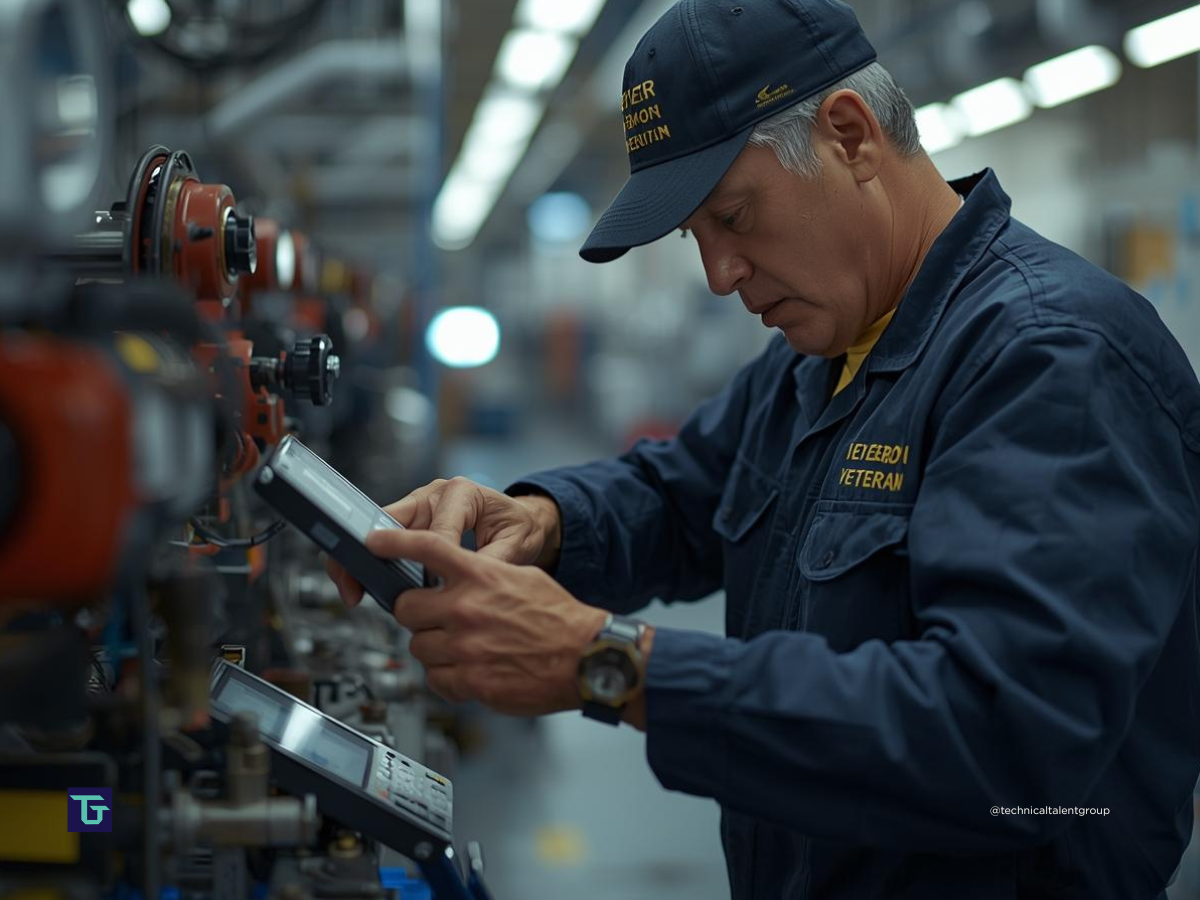
Veterans make up a strong segment of Arizona’s labor market. The Arizona Office of Economic Opportunity notes that veterans account for about 7 percent of the state’s workforce. Many transition naturally into roles in aerospace, automation, or information technology because of the similarities between military systems and civilian technical operations.
Employers such as Raytheon (Tucson), Honeywell Aerospace (Phoenix), and Northrop Grumman (Chandler) have established programs that train and hire former service members into roles such as Maintenance Technician, Systems Engineer, and Controls Specialist.
“Veterans bring discipline, adaptability, and mission-focused problem solving,” said the Arizona Coalition for Military Families, which leads statewide initiatives that connect veterans to employment through the Career Navigation Program.
For more on Arizona’s technical workforce trends, see Phoenix’s 4:1 Technical Job Market: Why Employers Are Competing Harder Than Ever.
2. Translating Defense Skills into Civilian Success
The foundation of veteran technical careers in Arizona is built on skill translation. Many military occupational specialties align directly with Arizona’s industrial and engineering roles.
Common transitions include:
-
Avionics Technician → Electrical or Controls Technician
-
Aircraft Mechanic → Maintenance Engineer
-
Operations Specialist → Systems Engineer
-
Information Systems Tech → IT Specialist
Programs such as SkillBridge and Hiring Our Heroes Arizona help service members translate technical certifications and leadership experience into civilian resumes. Employers who recognize these parallels can reduce onboarding time and improve retention among veteran hires.
According to SHRM Research (October 2024), veterans contribute significantly to workplace performance and retention, yet many organizations lack structured pathways to integrate their skills effectively. SHRM emphasizes the importance of dedicated veteran hiring and development programs to maximize retention outcomes.
3. Industry Growth and Opportunities for Veteran Careers
The Arizona Commerce Authority (ACA) highlights that the state’s manufacturing output reached $39.2 billion in 2024, marking a 10 percent increase from 2019.
Meanwhile, Lightcast Q4 2025 data shows over 401 active engineering job postings across Arizona and 2,830 employed engineers statewide.
These figures indicate a steady demand for skilled professionals, especially in fields where veterans excel:
-
Aerospace and Defense Engineering
-
Semiconductor and Electronics Manufacturing
-
Energy and Infrastructure Systems
-
Industrial Maintenance and Automation
With the state’s continued investment in technology and manufacturing hubs like Phoenix and Tucson, veterans are well-positioned to transition into high-impact technical careers that sustain Arizona’s economic growth.
Learn more about local onboarding strategies for technical hires in Onboarding Arizona Technical Talent for Retention.
4. How Employers Can Support Veteran Technical Careers in Arizona
Employers play a vital role in supporting veterans through structured onboarding, mentorship, and workplace inclusion.
Best practices include:
-
Translate experience, not titles. Focus on technical competencies rather than military rank.
-
Provide veteran mentorship. Connect new hires with peers who have made similar transitions.
-
Partner with local programs. Join initiatives such as the Arizona Veteran Supportive Employer Program, coordinated by the Arizona Coalition for Military Families.
Employers that implement these practices not only strengthen workforce diversity but also enhance productivity and retention.

Veterans have spent years developing the precision, leadership, and adaptability that define successful technical teams. As Arizona continues to expand its manufacturing and technology footprint, veteran technical careers in Arizona will remain a cornerstone of the state’s workforce success.
By connecting defense skills with civilian opportunities, employers and staffing partners can help veterans build meaningful careers that continue to serve Arizona’s growth.
At Technical Talent Group, we proudly support these transitions by connecting veterans with engineering, manufacturing, and IT employers who recognize the value of military-trained expertise.