Retention remains one of the biggest challenges for engineering, IT, and manufacturing leaders. While compensation and benefits matter, research continues to show that recognition plays a major role in whether employees stay engaged and committed to their teams.
In earlier articles like “How to Build a Strong Company Culture from Day One” and “How to Create an Inclusive Workplace Environment”, we explored how values, inclusion, and onboarding shape the foundation of a healthy workplace culture. Recognition is the next layer on that foundation. It is one of the day to day behaviors that brings culture to life for technical teams.
Recent recognition research from Gallup and Workhuman found that well recognized employees are 45 percent less likely to have turned over after two years, and that meaningful, high quality recognition significantly reduces the risk of future departures.
For technical professionals who solve complex problems and support critical operations, feeling seen and valued can be the difference between staying and starting a job search.
Why Recognition Matters More in Technical Roles
Technical teams often work under pressure. Deadlines are tight, systems must stay reliable, and projects carry real operational or safety consequences. Much of this work happens behind the scenes.
Gallup’s workplace research shows that employees who feel adequately recognized are more than twice as likely to be engaged in their work compared to those who do not feel recognized. Engaged teams, in turn, deliver higher productivity, lower absenteeism, and stronger business outcomes.
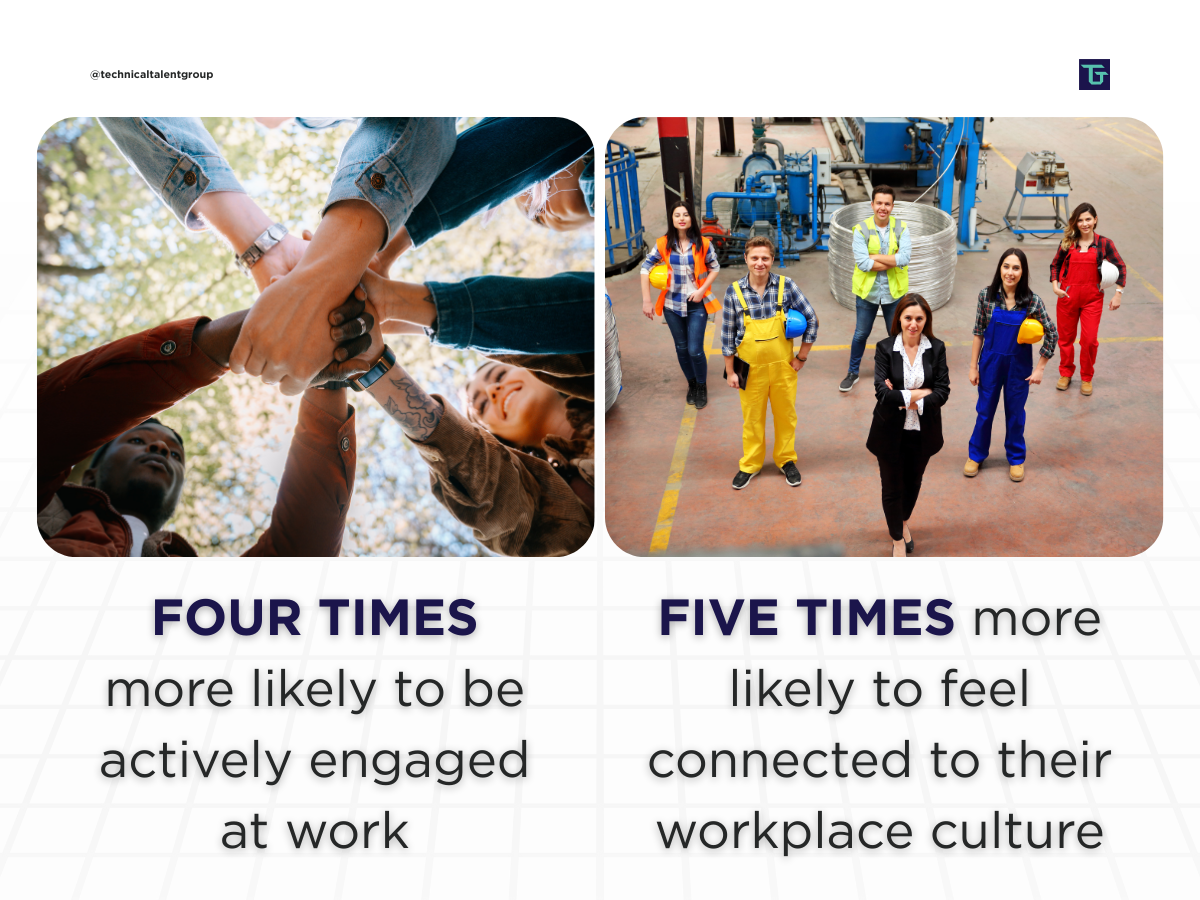
At the same time, global and U.S. employee engagement levels are under strain. Gallup’s indicators show that only around one fifth of employees globally are engaged, and disengagement carries a measurable cost in lost productivity and performance.
In Arizona, where competition for engineering, manufacturing, and IT talent remains strong, employers cannot afford to ignore the link between recognition, engagement, and retention. Recognition is one of the most cost effective levers available.
You can pair this concept with your earlier insight from “Quick to Hire, Quick to Lose: Why Rushed Hiring Hurts Technical Teams,” which highlighted the cost of turnover and poor fit. Recognition is one way to protect and extend the value of the careful hiring decisions you make.
What Meaningful Recognition Looks Like
Effective recognition does not require a large budget. It requires intention and consistency.
For technical teams, meaningful recognition often looks like:
-
Acknowledging problem solving efforts, not just final outcomes
-
Highlighting behind the scenes contributors in project recaps
-
Connecting praise to specific metrics, milestones, or customer impact
-
Recognizing collaboration across engineering, operations, and IT
-
Giving credit when someone prevents an issue, not only when they resolve one
A recent summary of recognition and retention insights found that employees who feel well recognized are significantly less likely to actively seek new job opportunities, and that strong recognition programs can lower turnover and increase productivity. (source)
Other research shows that most employees say recognition directly affects their engagement. In one survey, four in five workers agreed that recognition influences how engaged they feel at work. (source)
This ties back to your culture and inclusion content. A strong culture sets expectations for how people treat one another. An inclusive workplace ensures everyone is invited into the conversation. Consistent recognition shows that those values are active, not just written on a wall.
Connecting Recognition to Retention
Recognition works best when it is part of a larger system that includes hiring, culture, and onboarding. In your culture article, you noted that values and leadership behavior set the tone from day one. In your onboarding article, you explained how early experiences shape long term engagement. Recognition can be the glue that keeps those efforts connected over time.
You might:
-
Add recognition milestones into 30, 60, and 90 day check ins
-
Encourage managers to identify at least one person per week to recognize
-
Incorporate recognition stories into town halls or toolbox talks
-
Use peer to peer recognition so contributions from the field, floor, or site are visible
-
Train leaders to give specific, timely recognition tied to company values
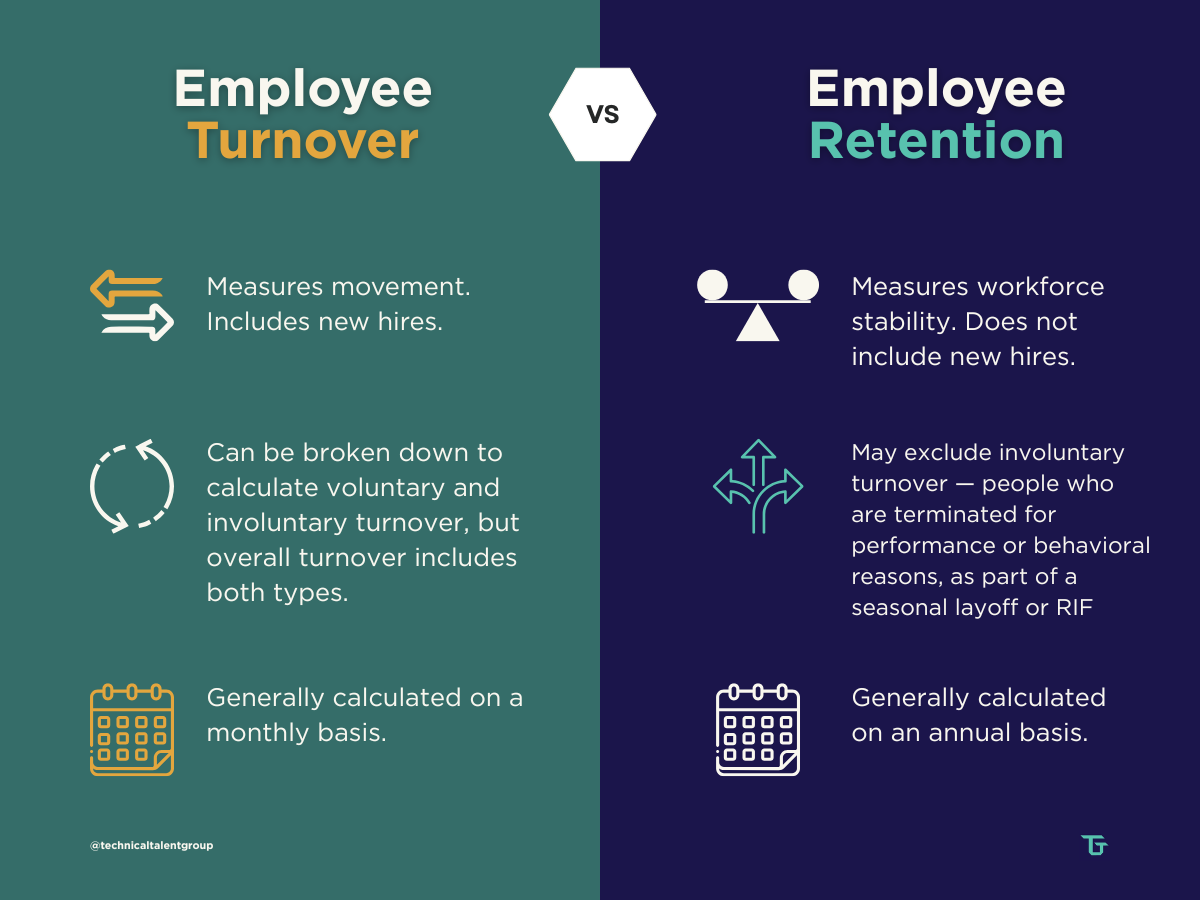
External guidance from SHRM notes that structured recognition programs, even at modest investment levels, can lead to higher engagement, better retention, and stronger alignment with company values.
When employees consistently feel appreciated, they are more likely to stay engaged during challenging projects and less likely to explore outside opportunities. In technical environments where each hire is costly and ramp up time is long, that stability is a competitive advantage.
Recognition is not just a feel good practice. It is a retention strategy that builds on the culture, inclusion, and onboarding work you may already be doing.
If your team has started to implement the ideas in:
-
“How to Build a Strong Company Culture from Day One”
-
“How to Create an Inclusive Workplace Environment”
-
“Quick to Hire, Quick to Lose: Why Rushed Hiring Hurts Technical Teams”
…then focusing on recognition is a natural next step.
Intentional appreciation helps technical teams stay engaged, strengthens loyalty, and supports the long term health of your workforce.
If you are ready to connect culture, hiring, and recognition into a stronger retention plan, the TTG team is here to help.